

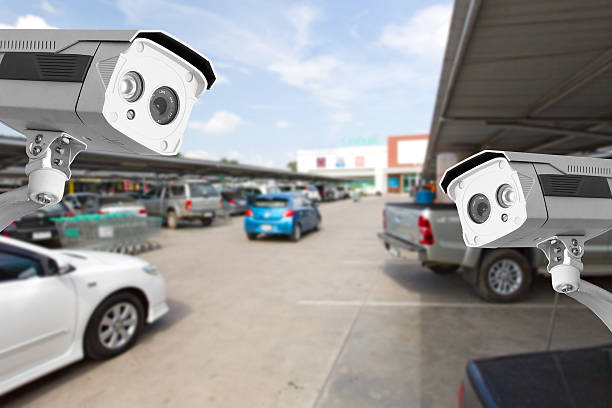
A parking lot may appear fully visible while important activity goes unrecorded. Vehicles block camera views, pedestrians move between parked cars, and poor lighting can make nighttime footage difficult to use. For businesses in Fort Myers and Southwest Florida, effective parking lot security cameras require careful planning around traffic flow, entry points, and the details that matter during an incident. Let’s talk about how you can plan effective coverage in detail.
Why Do Commercial Parking Lots Need Security Cameras?
Parking areas experience vehicle damage, unauthorized access, theft, and other incidents that property managers may need to investigate. Cameras help businesses review vehicle movements, monitor pedestrian activity, and identify when incidents occurred.
However, recording an entire parking lot does not automatically mean the footage will contain useful details. A distant camera might show two vehicles approaching each other without clearly capturing what happened. Coverage should reflect the incidents your property is most likely to encounter.
Where Security Cameras Should Be Placed in a Parking Lot?
Camera placement should follow how vehicles and pedestrians use the property. You need to prioritize these locations:
- Entrances and exits: Monitor vehicles entering and leaving, particularly where traffic slows.
- Parking rows: Capture activity between parked vehicles and along driving lanes.
- Pedestrian walkways: Cover routes connecting parking spaces to building entrances.
- Loading areas: Monitor deliveries, service vehicles, and restricted access.
- Isolated sections: Address poorly illuminated corners and areas concealed by structures or landscaping.
Consider mounting height carefully. Higher cameras offer wider views, but excessive distance can make identifying details difficult.
Which Types of Cameras Work for Parking Lot Surveillance?
Different security cameras for parking lots serve different purposes.
Outdoor bullet cameras: provide fixed views of entrances, access roads, and parking rows.
Wide-angle cameras: cover larger areas but may provide less detail at greater distances.
High-resolution cameras: can capture more information when the lens and placement are appropriate.
Low-light and infrared cameras: support nighttime surveillance, although headlights and reflections can interfere with recording.
PTZ cameras: allow users to change viewing direction and zoom, but activity outside their current view may go unrecorded.
License Plate Recognition (LPR) cameras: are intended for vehicle identification at suitable entrances and exits.
Combining fixed overview cameras with specialized equipment often provides more useful coverage.
Important Features to Consider in a Parking Lot Camera System
A parking lot camera system should deliver usable footage during actual operating conditions. Consider image resolution, field of view, nighttime performance, weather resistance, and recording capacity.
Outdoor equipment must also withstand Southwest Florida’s heat, humidity, and heavy rain. Ask how long recordings remain available and whether authorized users can access footage remotely. For larger properties, evaluate network connectivity, cable distances, and opportunities to expand the system.
How to Reduce Blind Spots in Parking Lot Coverage
Blind spots often occur behind parked trucks, trees, building corners, and other obstructions. Walk through the property during busy hours and after dark. Identify which areas become hidden when spaces are occupied. Overlapping camera views can help maintain visibility across critical routes.
We also recommend checking sample footage at the intended viewing distance. A camera may clearly show movement while failing to capture enough detail for an investigation.
What Affects the Cost of a Parking Lot Camera System?
Installation costs depend on property size, camera quantity, mounting positions, and equipment requirements.
Long cable runs, dedicated mounting poles, network upgrades, recording storage, and specialized LPR cameras can increase the project scope.
A useful estimate should separate essential coverage from optional features. Compare proposals based on the visibility they provide rather than camera quantity alone.
Professional Parking Lot Security Camera Installation in Fort Myers
At DigiFlorida CCTV, we plan commercial outdoor surveillance around each property’s access points, lighting, traffic patterns, and existing infrastructure.
Our services include weather-resistant cameras, recording systems, remote viewing, and LPR options for suitable locations. For broader equipment selection, you can read Commercial Security Camera Systems in Fort Myers: How to Choose the Right One for Your Business.
We serve Fort Myers and surrounding Southwest Florida communities. Call (239) 737-0006 or request a free on-site estimate to discuss your parking lot’s surveillance needs.
Frequently Asked Questions
How Many Security Cameras Are Needed for a Parking Lot?
The number depends on property size, entrances, parking rows, and required image detail. A site assessment helps establish practical coverage.
Where Parking Lot Security Cameras Should Be Installed?
Focus on entrances, exits, pedestrian routes, parking lanes, and isolated areas. Camera angles should account for parked vehicles and other obstructions.
What Type of Security Camera Is Best for Outdoor Parking Lots?
Weather-resistant fixed cameras work well for consistent coverage. Low-light and specialized LPR cameras may be appropriate for nighttime surveillance and vehicle identification.
Can Parking Lot Cameras Capture License Plates at Night?
Yes, with suitable equipment and conditions. Reliable capture depends on LPR camera capabilities, infrared or low-light performance, viewing angle, vehicle speed, and lighting. Standard cameras cannot guarantee readable plates.
Do Parking Lot Security Cameras Work in Heavy Rain?
Weather-rated cameras can operate during rainfall, but water droplets, glare, and reduced visibility may affect image clarity. Suitable mounting and regular maintenance help maintain performance.