

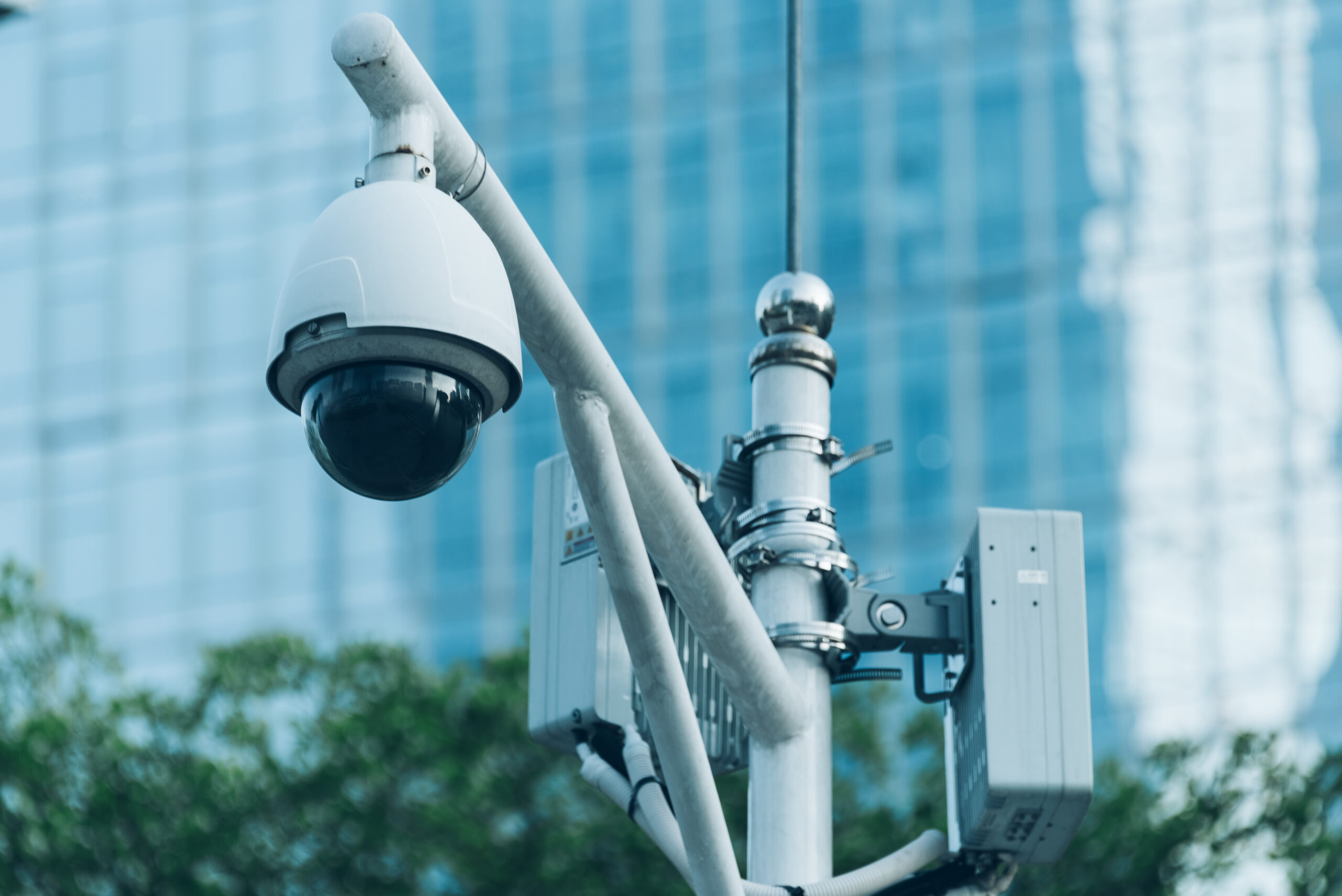
A security camera is useful only when it captures the information your business actually needs. A system that clearly records an entrance may struggle to identify activity across a large parking area.
Choosing a commercial security camera system in Fort Myers requires understanding your property, comparing camera technologies, and deciding how footage will be recorded and accessed.
At DigiFlorida CCTV, we help businesses make these decisions based on their operations rather than a predetermined equipment package. Let’s talk about it.
What Is a Commercial Security Camera System?
A commercial surveillance system combines cameras, recording equipment, storage, and network connections to capture and preserve footage. Its main components include cameras for specific viewing areas, a DVR or NVR recorder, storage drives or compatible cloud services, and software for reviewing footage.
Some systems also support mobile access, motion alerts, and multiple authorized users. A standalone camera may provide a live view, but businesses often need reliable recordings, searchable playback, and coverage across several locations. A complete system brings those functions together.
What Should Businesses Consider Before Choosing a Security Camera System?
Start by identifying what you need the footage to show. For example, recording movement through a warehouse entrance is different from capturing enough detail to identify someone handling inventory. Before choosing equipment, consider:
- Property layout: Entrances, corridors, storage areas, outdoor spaces, and potential blind spots.
- Viewing distance: Whether cameras need broad coverage or detailed images of specific locations.
- Lighting: Bright entrances, poorly lit hallways, and nighttime outdoor conditions.
- Recording needs: How long footage must remain available before being overwritten.
- Remote access: Who needs permission to view live or recorded footage.
These decisions establish the system requirements before you compare products.
Types of Commercial Security Camera Systems
Camera systems can be described by technology, connection method, and image resolution. These categories overlap, so they should not be treated as competing alternatives.
IP vs. Analog Camera Systems
IP cameras transmit digital video over a network. They commonly work with NVR recorders and support features such as high-resolution recording, remote access, and video analytics, depending on the equipment.
Analog and HD-over-coax cameras use coaxial connections and compatible DVR equipment. They may be practical when upgrading an existing installation with usable cabling.
The better choice depends on the infrastructure, desired features, and expansion plans.
Wired vs. Wireless Cameras
Wired cameras use physical connections, such as Ethernet with Power over Ethernet (PoE) or coaxial cabling.
Wireless cameras typically transmit data through Wi-Fi, although many still require a power connection.
An IP camera can therefore be wired or wireless. For permanent commercial installations, wired connections are often preferable where stable transmission and network capacity are priorities.
HD vs. 4K Camera Systems
HD cameras can provide useful general surveillance, while 4K offers more image detail when the lens, placement, and lighting support it.
However, higher resolution also increases recording and storage demands.
Remote viewing is available with compatible systems, but its reliability depends on network performance, secure configuration, and the recorder or cloud platform being used.
Which Security Camera System Is Right for Different Business Properties?
Different commercial environments require different types of coverage.
Retail Stores
Retail businesses often prioritize customer entrances, checkout counters, aisles, and high-value merchandise areas.
Camera angles should capture useful detail without leaving major gaps between shelves or displays.
Our guide to Retail Security Systems will examine these requirements in greater detail.
Warehouses and Industrial Facilities
Warehouses need coverage around loading docks, storage aisles, access gates, and inventory movement.
Long viewing distances and changing lighting conditions can complicate camera selection.
Read our Warehouse Security Camera Installation guide to learn more.
Commercial Parking Properties
Parking facilities need cameras that account for vehicle movement, wide outdoor areas, and nighttime visibility.
General surveillance cameras do not automatically provide readable license plate footage. That may require specialized equipment.
Read our Parking Lot Security Cameras guide for a more detailed comparison.
Offices, Restaurants, and Hospitality Properties
Offices may prioritize reception areas, corridors, and restricted entrances. Restaurants often need visibility around registers, dining areas, stockrooms, and delivery access. Camera placement should also respect employee and customer privacy requirements.
Important Features to Look for in a Commercial Camera System
The most useful features depend on how the property operates.
Image clarity and field of view: A wide-angle camera can cover more space, but subjects may appear smaller. Match the lens and resolution to the detail required.
Low-light performance: Check whether cameras produce usable footage under actual nighttime conditions, including glare from exterior lights.
Weather resistance: Outdoor equipment in Southwest Florida must be suitable for heat, humidity, and heavy rain.
Recording capacity: Storage requirements depend on camera count, resolution, recording settings, and retention needs.
Remote access and expansion: Confirm that authorized users can securely review footage and that the recorder can accommodate future cameras.
How Much Does a Commercial Security Camera System Cost?
Commercial camera system costs depend on the equipment and installation requirements. The main factors include camera quantity, resolution, recorder capacity, storage duration, property size, mounting locations, cabling distances, and network upgrades.
Specialized equipment for low-light conditions or vehicle identification may increase the scope. Request an itemized estimate showing essential equipment and optional features. This makes competing proposals easier to compare without relying on camera count alone.
Why Professional System Planning and Installation Matter
A professional assessment helps determine whether the proposed cameras will capture useful footage under real operating conditions.
At DigiFlorida CCTV, we review sightlines, mounting locations, lighting, recording requirements, and network infrastructure before recommending equipment.
Installation also involves cabling, configuration, and testing. Our commercial security camera installation service explains how we approach these technical requirements. A system should be evaluated based on its recorded footage and practical usability, rather than equipment specifications alone.
Commercial Security Camera Solutions in Fort Myers
DigiFlorida CCTV provides commercial surveillance solutions for offices, retail businesses, warehouses, restaurants, and other Southwest Florida properties.
We offer HD and 4K options, indoor and outdoor cameras, DVR/NVR recording, and compatible remote viewing configurations.
Our recommendations begin with a property assessment so businesses can understand their coverage requirements and available equipment options.
Call (239) 737-0006 or contact us at DigiFlorida CCTV to arrange a free on-site estimate.
Frequently Asked Questions
What Is the Best Security Camera System for a Commercial Property?
The best system matches your layout, lighting, recording needs, and required image detail. A business with multiple entrances may need a different configuration from a warehouse or parking facility.
How Many Cameras Does a Commercial Building Need?
Camera count depends on coverage priorities, viewing angles, and property size. An assessment helps identify how many cameras are needed without duplicating views unnecessarily.
What Is the Difference Between an IP Camera System and an Analog Camera System?
IP cameras use network connections to transmit digital video. Analog and HD-over-coax cameras use compatible coaxial connections and recording equipment. Both can support commercial surveillance.
What Is the Difference Between Wired and Wireless Commercial Cameras?
Wired cameras transmit data through physical cabling. Wireless cameras typically use Wi-Fi for data transmission but may still require power cables. Reliability depends on the installation and network.
Can a Commercial Security Camera System Be Accessed Remotely?
Yes, compatible systems allow authorized users to view live or recorded footage through mobile devices or computers. Secure configuration and adequate internet connectivity are important.
How Much Does a Commercial Security Camera System Cost?
Costs vary according to camera count, equipment specifications, cabling, recording capacity, and installation complexity. A property-specific estimate provides a more useful comparison than a fixed package price.